
Introduction
Welcome to our Knowledge Board. In this exclusive interview, independent Mexican filmmaker Sebastián Lordy shares his creative vision on crime storytelling, independent filmmaking, cinematic education, and advice for aspiring filmmakers. Through his experience, we explore how cinema can entertain while inspiring reflection and social awareness.
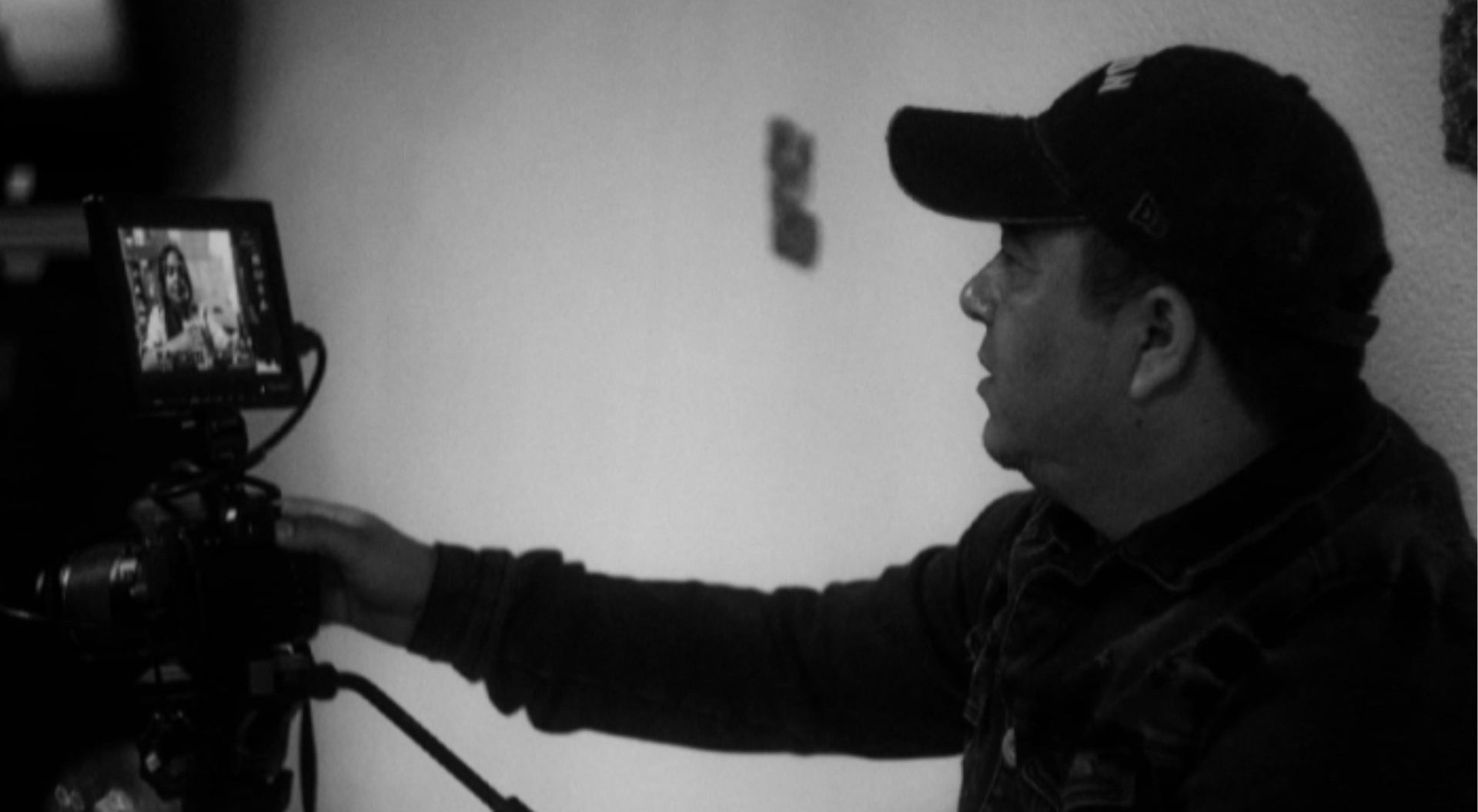
Section 1 The Art of Crime Storytelling
Question: Crime films require keeping audiences on the edge of their seats. What is your secret to making a short film in this genre so engaging and entertaining without losing the seriousness of the subject?
Answer: I believe the secret is to make the audience become invested in the story from the very first minute. Rather than simply showing crimes, I am interested in building suspense through the characters and the choices they make, using unexpected twists. When the audience does not know what will happen next, they remain engaged until the very end.
At the same time, I try to approach these subjects responsibly. I do not seek to glorify violence or crime, but rather to show their consequences and the impact they have on people's lives. For me, a short film in this genre should not only entertain but also encourage reflection and spark meaningful conversation.
Question: When portraying crime and social issues, how do you balance research based on real events with creative freedom to make the story work on screen?
Answer: For me, reality serves as the starting point, while fiction becomes the tool for telling a compelling story. I enjoy portraying real situations that people can relate to and presenting the context in which events actually occur, because that gives credibility to my work. At the same time, cinema also needs emotion and characters who connect with the audience.
My goal is to convey the emotions, conflicts, and consequences behind these events. When that balance is achieved, the result is a story that feels authentic, engaging, and leaves viewers with something to reflect on.
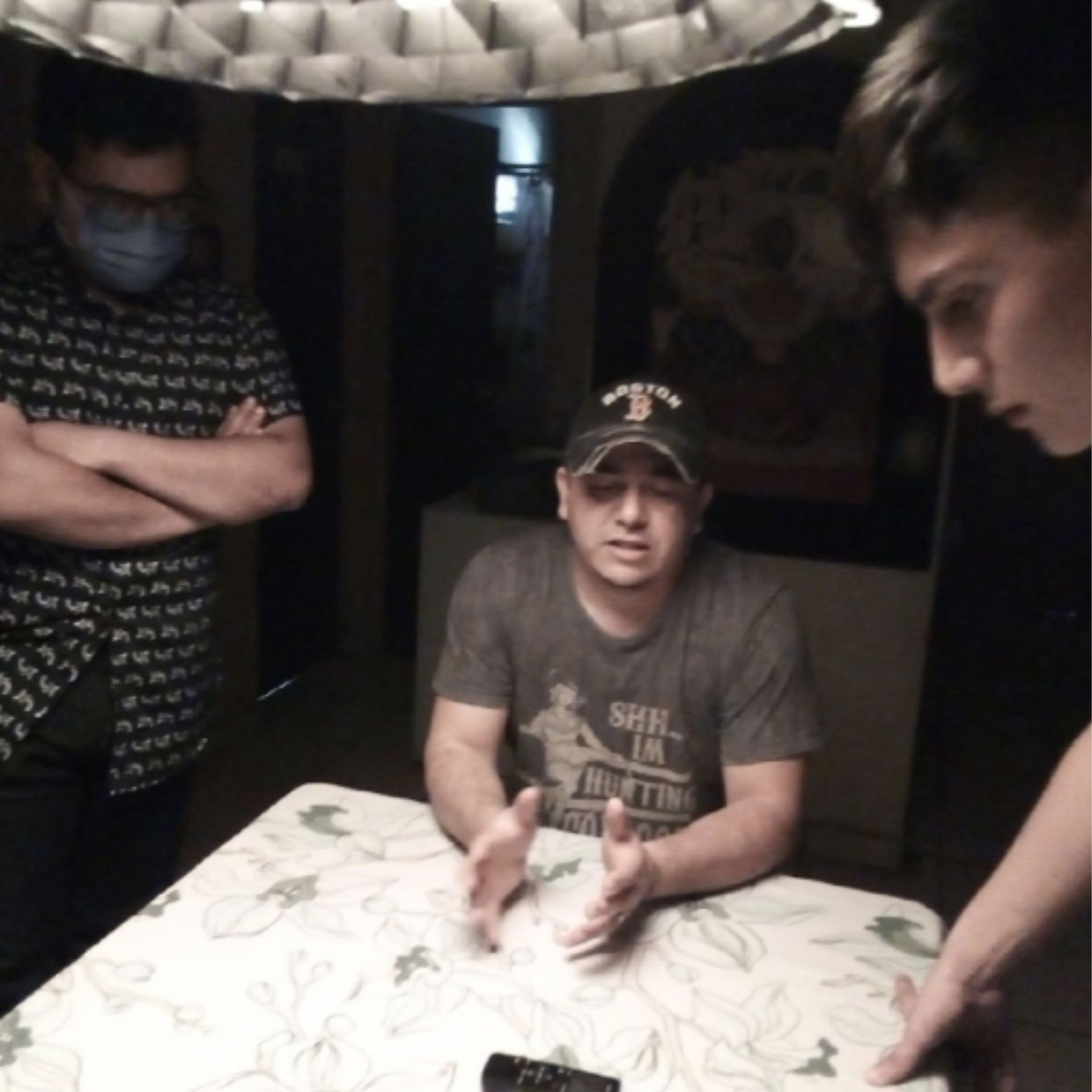
Section 2 Cinema with Educational Purpose
Question: Your productions are known for providing audiences with knowledge and insight. How do you incorporate educational messages or social criticism into stories filled with action and suspense?
Answer: For me, the best way to communicate a message is by integrating it naturally into the story. I do not want to interrupt the action to teach a lesson. Instead, I prefer to let the characters, through their decisions and the consequences of their actions, speak for themselves, just as happens in real life.
Suspense keeps the audience engaged, and it is the storytelling style I enjoy using in most of my films. Meanwhile, social criticism is woven into the narrative as a reflection of the consequences that often arise from our own choices. In this way, viewers can reflect on issues that are part of our everyday reality.
Question: Short films offer only a limited amount of time. How do you develop complex characters and deliver a powerful message within just a few minutes?
Answer: I believe that developing complex characters in a short film depends on making the most of every minute. Rather than explaining who the characters are, I prefer to let the audience discover them through their actions and the conflicts they face.
As for the message, I try to let it emerge naturally, allowing viewers to identify with the characters and the story itself. The reflection should come on its own.
For me, this is what filmmaking is about: moving people emotionally, entertaining them, and leaving them with an idea that stays with them long after the short film has ended.
Section 3 Behind the Camera
Question: Independent filmmaking and short film production always come with challenges, whether related to budget or production. What has been the greatest challenge you have faced as a director in Mexico, and how did you overcome it?
Answer: The greatest challenge for an independent filmmaker is undoubtedly the budget. Securing private funding, sponsorships, or seed capital is difficult due to limited financial resources and the lack of well-known actors.
In addition, the strict budgetary guidelines and requirements of government funding programs often exclude micro-budget projects.
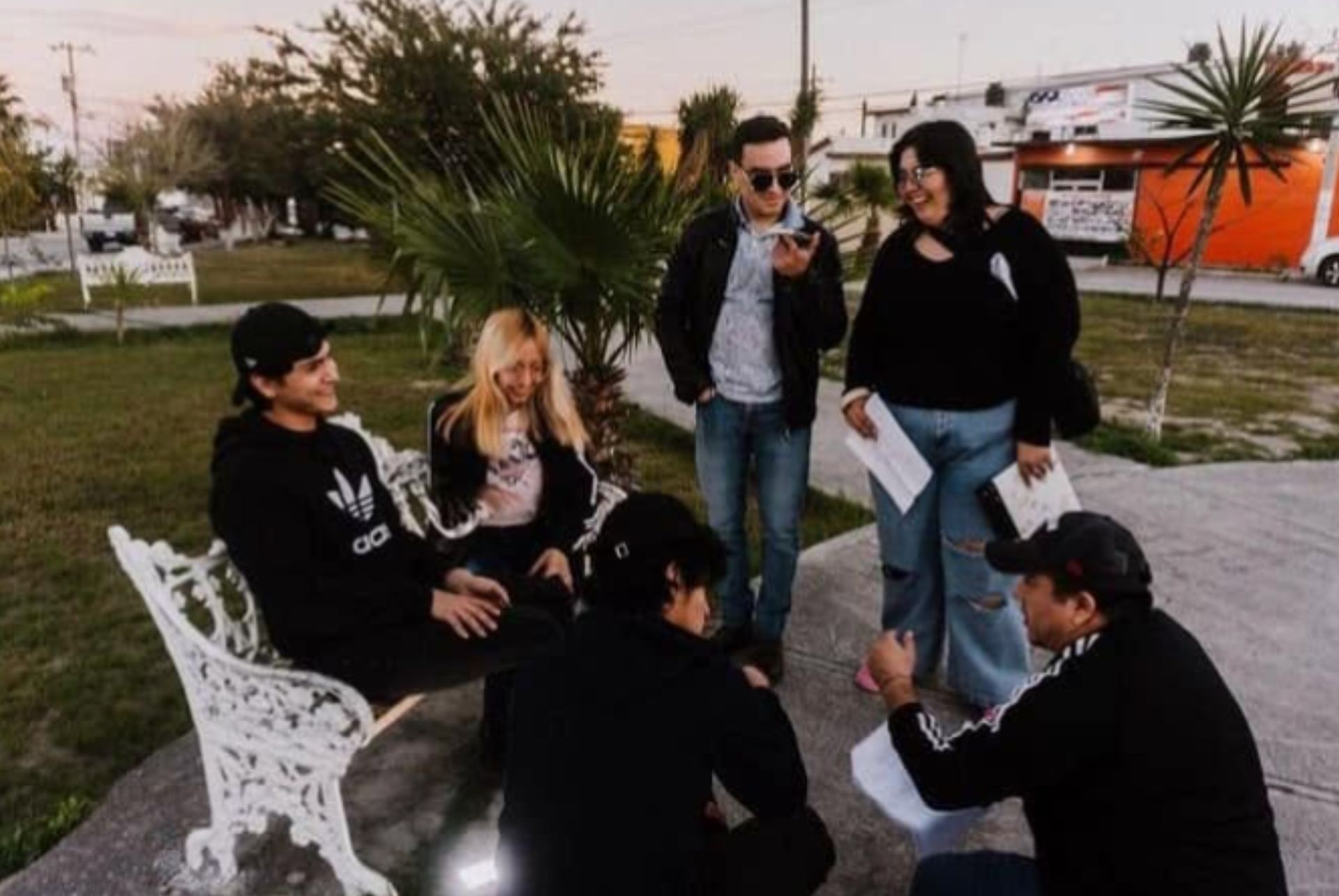
As a result, the only way to bring these projects to life is often through personal financial investment and the unconditional support of the people around you who believe in the project.
Although this can be unfair considering the tremendous artistic effort everyone contributes on set, their dedication and commitment make independent filmmaking possible.
Question: For you, what is the most rewarding part of being a film director? Is it writing the script, directing the actors, or seeing the audience's reaction?
Answer: Every stage of the process is rewarding to me, from the initial concept as the story begins to take shape, to finally seeing our work projected on the screen.
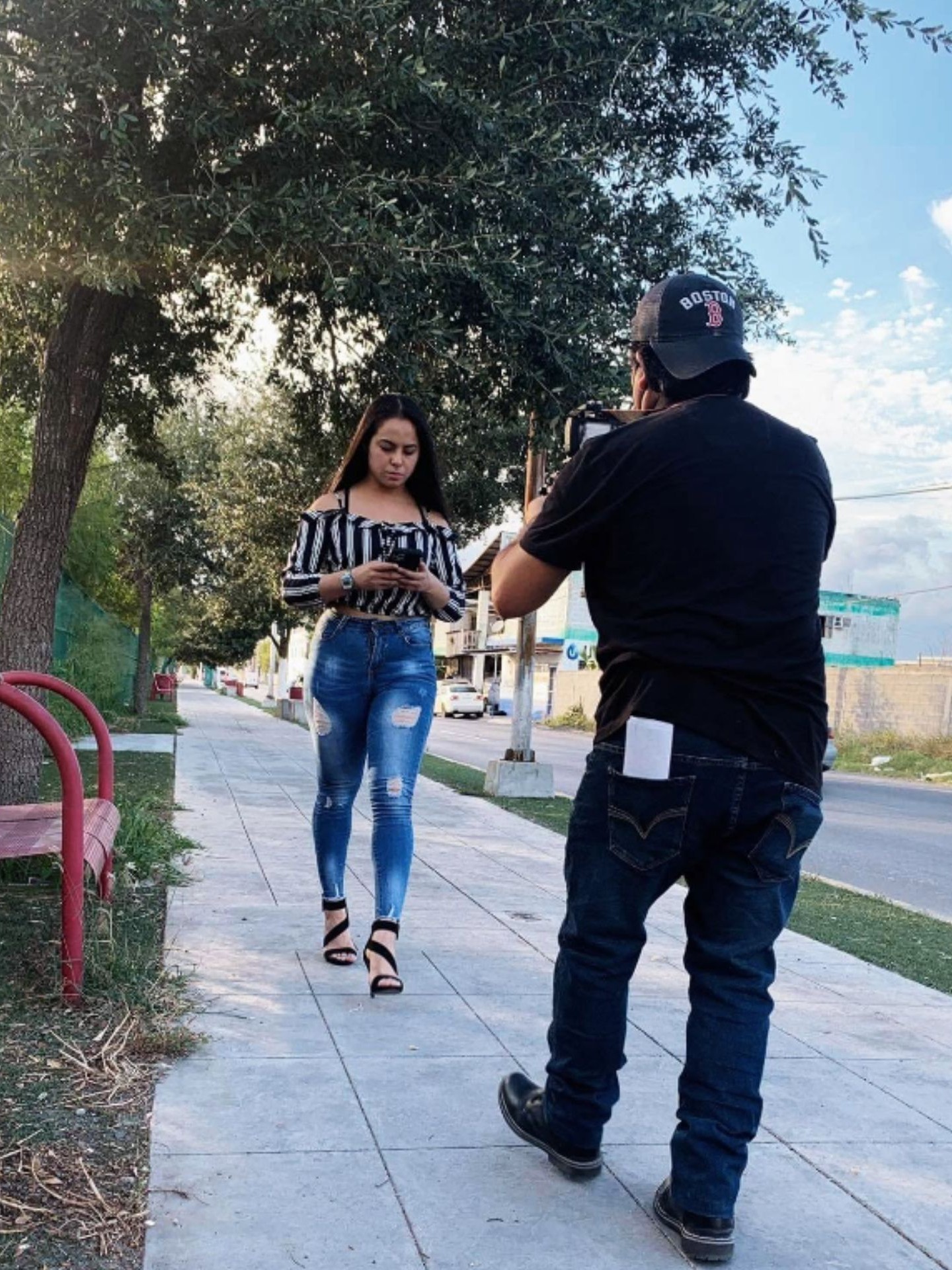
I also find great satisfaction in building an incredible team and sharing artistic ideas while directing the cast. We usually explain how we imagine the story so that each actor can gradually bring their character to life with authenticity and individuality.
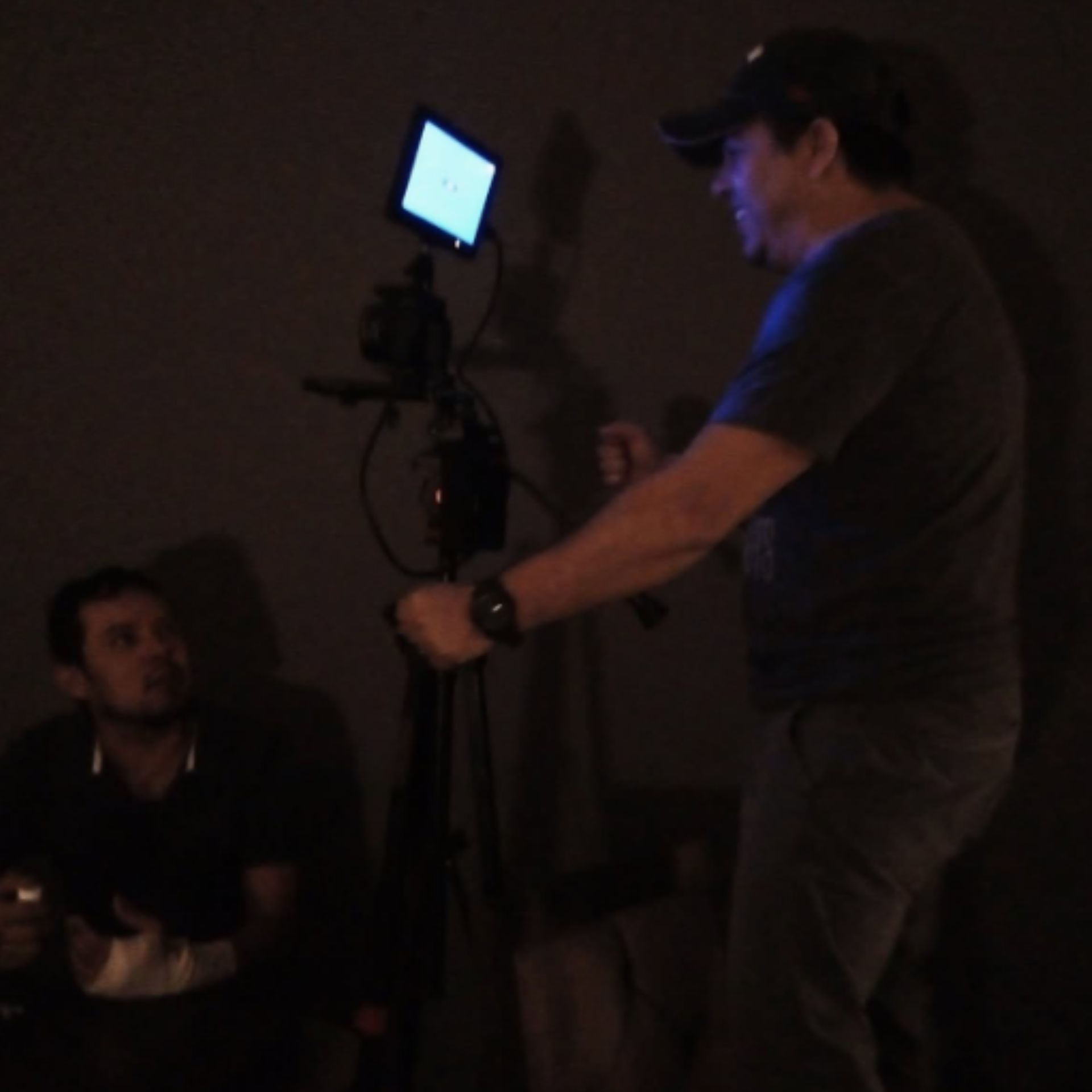
Section 4 Inspiration for Future Creators
Question: Many students on our platform dream of creating their own videos or short films but worry that they lack the equipment or financial resources. What advice would you give them to start telling their stories today?
Answer: I was inspired by fellow Mexican filmmaker Guillermo del Toro, who once said in an interview that if you have three friends and a camera—or even just a few smartphones—you should start creating. You may fail at first, but the important thing is that you are already creating.
My advice is simple: do not wait until you have perfect equipment or a large budget to begin. What truly matters is having a meaningful story—or finding one that you genuinely want to tell. Every short film, no matter how small, is an opportunity to learn and improve.
The most important qualities are consistency, the ability to observe reality, to listen to people, and to never be afraid of making mistakes. The best stories are born from passion, creativity, and perseverance.
Key Takeaways
- Strong stories begin with compelling characters.
- Suspense comes from uncertainty and emotional investment.
- Crime cinema should encourage reflection rather than glorify violence.
- Short films can leave a lasting impact through meaningful storytelling.
- Great filmmaking starts with passion, creativity, and persistence—not expensive equipment.
About the Director
Sebastián Lordy is an independent film director from Mexico whose work focuses on crime stories, social themes, and emotionally engaging narratives. His films combine suspense with meaningful reflection, inviting audiences to think critically about the consequences of human decisions.
Gallery
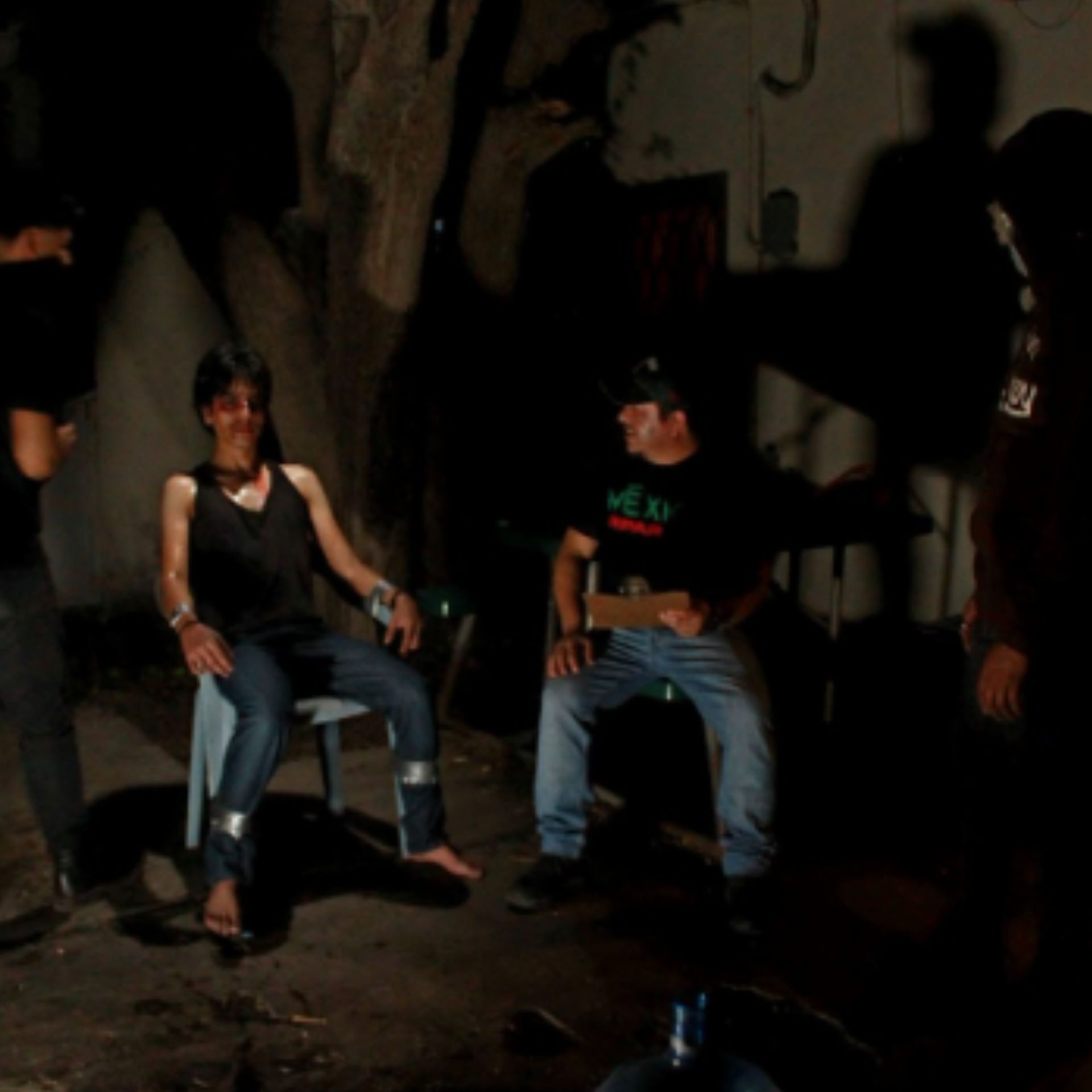
Acknowledgement
Thank you to Sebastián Lordy for sharing your creative vision, experiences, and knowledge about independent filmmaking.
Your stories continue to inspire new creators to explore cinema, creativity, and meaningful storytelling.