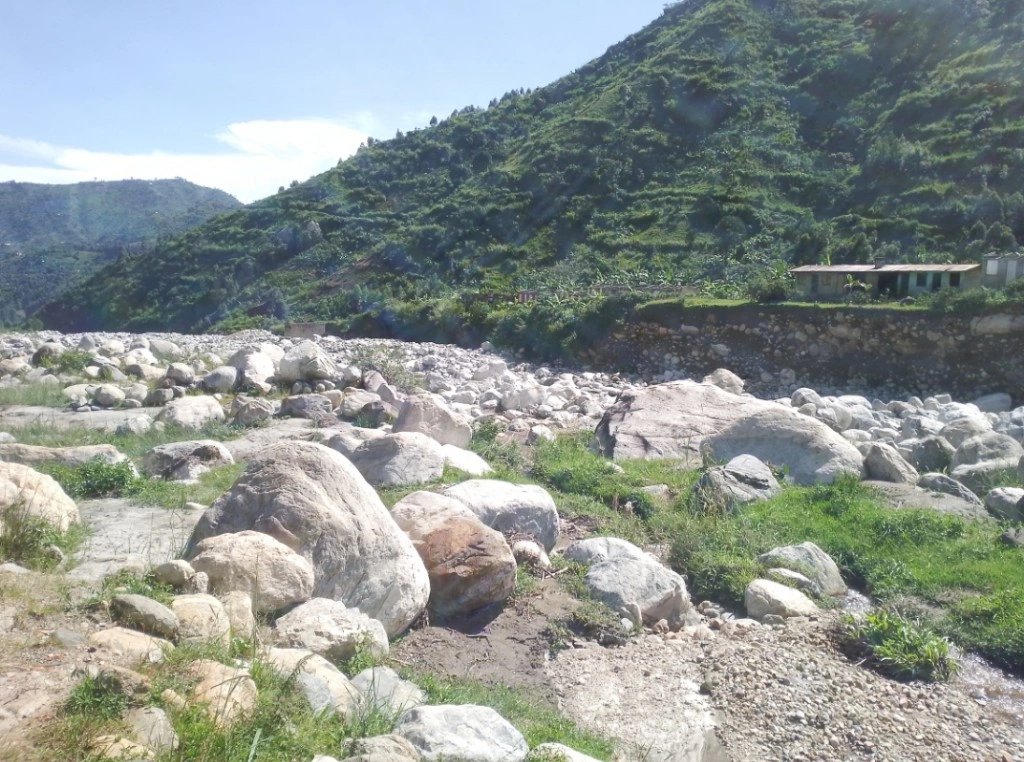
Introduction
The environment is the foundation of life on Earth. Natural resources, forests, oceans, and ecosystems provide essential support for humans, animals, and future generations.
However, climate change and environmental challenges are creating significant impacts around the world. Rising temperatures, extreme weather events, pollution, and loss of biodiversity are affecting communities and ecosystems.
These challenges are not only environmental issues. They are connected to human health, food security, water resources, economic stability, and the future of communities.
Protecting the planet requires cooperation between individuals, communities, organizations, and global partners. Every action can contribute to creating a healthier and more sustainable future.
Understanding Climate Change
Climate change refers to long-term changes in Earth's climate patterns, including changes in temperature, rainfall, and weather conditions.
Human activities, including increased greenhouse gas emissions, deforestation, and unsustainable resource use, have contributed to environmental changes.
The effects of climate change can be experienced differently around the world, with some communities facing greater risks because of their location, resources, and ability to adapt.
Understanding climate change is an important step toward finding solutions and encouraging responsible actions.
The Impact Of Climate Change On Communities
Climate change affects people and communities in many different ways. Changes in weather patterns, rising temperatures, and natural disasters can influence people's health, safety, and ability to maintain their livelihoods.
Communities that depend on agriculture, fishing, forests, or natural resources may experience greater challenges when environmental conditions change.
Climate change can also increase existing inequalities because communities with fewer resources may have fewer opportunities to prepare for and recover from environmental challenges.
🌡️ Rising Temperatures
Increasing temperatures can affect human health, agriculture, water availability, and natural ecosystems.
🌪️ Extreme Weather
Floods, droughts, storms, and other extreme weather events can damage homes, infrastructure, and community resources.
🌾 Food Security
Environmental changes can affect farming and food production, creating challenges for communities that depend on agriculture.
The Importance Of Forests And Biodiversity
Forests and natural ecosystems play an essential role in maintaining balance on Earth. They support wildlife, protect water resources, and help regulate the climate.
However, deforestation and environmental destruction can reduce biodiversity and weaken ecosystems that communities depend on.
Protecting forests means protecting not only nature but also the people whose lives are connected to natural resources.
Conservation efforts can help preserve ecosystems and create healthier environments for future generations.
Pollution And Environmental Health
Pollution is another major environmental challenge affecting communities around the world. Air pollution, water pollution, and waste can create risks for human health and ecosystems.
Improper waste management can damage natural environments and affect the quality of resources people depend on, including clean water and food.
Environmental protection requires responsible choices, improved systems, and cooperation between communities and organizations.
Small actions, when combined by many people, can contribute to meaningful environmental change.
Why Environmental Awareness Matters
Creating a sustainable future begins with understanding how human actions affect the planet.
Environmental awareness helps people recognize the importance of protecting natural resources and making choices that support long-term sustainability.
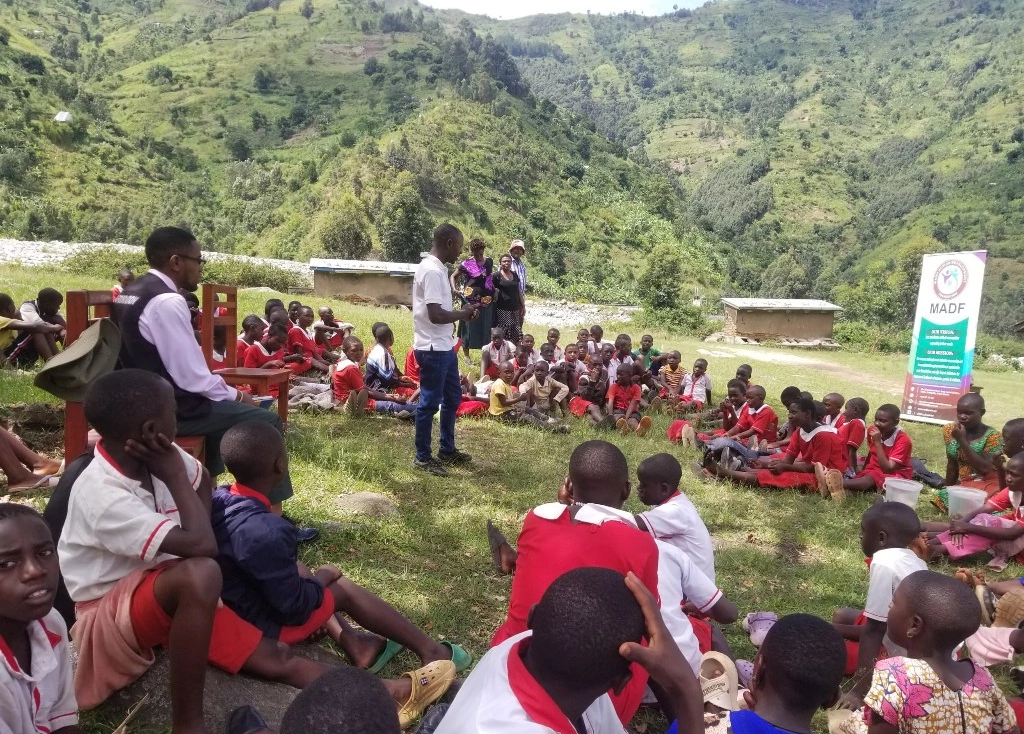
Education plays an important role in encouraging individuals, especially younger generations, to become responsible caretakers of the environment.
When communities understand environmental challenges, they can participate more effectively in creating solutions.
Sustainable Solutions For Protecting The Planet
Addressing environmental challenges requires cooperation and long-term thinking. Sustainable solutions focus on protecting natural resources while creating opportunities for communities to grow in harmony with nature.
Environmental protection is not only the responsibility of governments or organizations. Individuals, communities, and businesses can all contribute through responsible actions and environmental awareness.
🌱 Reforestation And Tree Planting
Planting and protecting trees can help restore ecosystems, support biodiversity, and contribute to healthier environments.
♻️ Responsible Resource Use
Reducing waste, recycling, and using resources responsibly can help decrease environmental pressure.
🌊 Protecting Natural Ecosystems
Protecting forests, rivers, oceans, and wildlife helps maintain the balance of nature.
🤝 Community Environmental Action
When communities work together, environmental projects can create lasting positive change.
The Power Of Tree Planting And Community Action
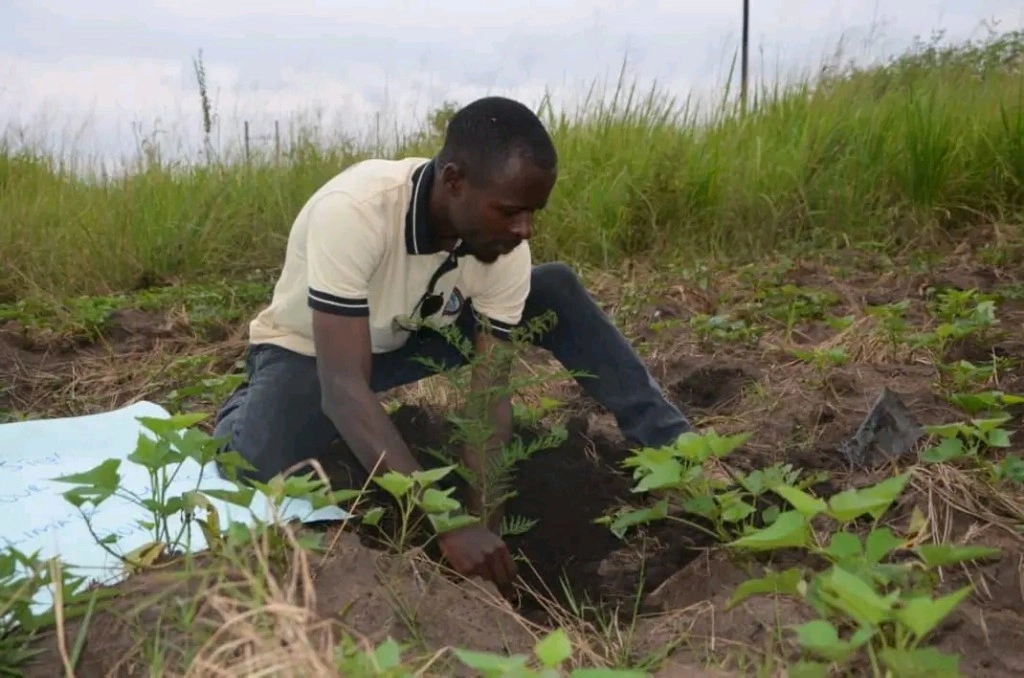
Trees are an important part of Earth's ecosystems. They provide habitats for wildlife, help protect natural environments, and support healthier communities.
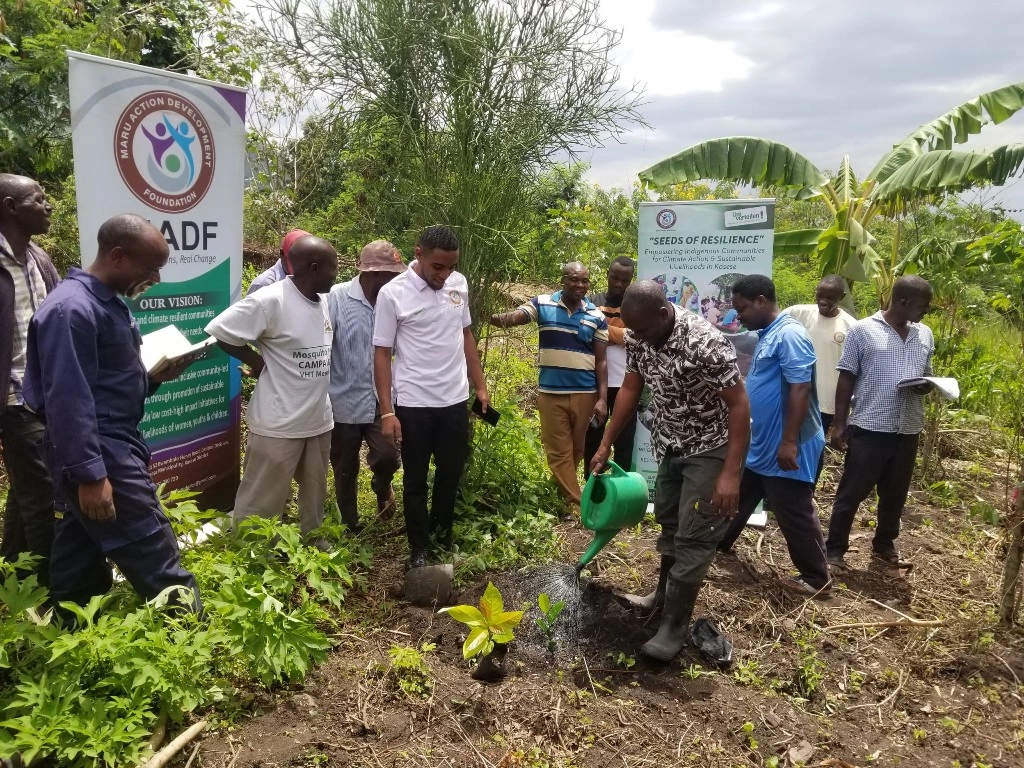
Community tree planting projects can create opportunities for people to participate directly in environmental protection.
Beyond planting trees, these activities can encourage environmental education, cooperation, and a stronger connection between people and nature.
Small environmental actions can become powerful when many people participate together.
The Role Of Organizations And Communities
Environmental challenges require collaboration between different groups. Organizations can support awareness, education, conservation projects, and community initiatives.
Local communities have important knowledge about their environments and can help create solutions that match their own needs.
Successful environmental projects respect local participation and encourage people to become active protectors of their surroundings.
Together, communities can create positive changes that continue for future generations.
Quietkind Environmental Vision
At Quietkind, we believe protecting the environment is an important part of creating a better future for people and the planet.
Through humanitarian projects, environmental activities, and community cooperation, we aim to encourage awareness and meaningful action.
Our environmental vision focuses on connecting people with nature, supporting sustainable practices, and creating opportunities for communities to participate in protecting the world around them.
Every tree planted, every action taken, and every person who joins environmental efforts can contribute to a healthier planet.
Conclusion
Climate change and environmental challenges affect communities around the world, but collective action can create solutions.
Protecting nature is not only about preserving the environment. It is also about protecting human health, community stability, and the future of generations to come.
By increasing awareness, supporting sustainable actions, and working together, people can help build a more balanced and resilient world.
A healthier planet creates a better future for everyone.
References & Further Reading
This article was created by Quietkind based on publicly available information from international environmental organizations and educational resources.
- United Nations — Sustainable Development Goal 13: Climate Action
- United Nations Environment Programme (UNEP) — Environmental Information and Research
- World Wildlife Fund (WWF) — Conservation and Biodiversity Resources
- Intergovernmental Panel on Climate Change (IPCC) — Climate Science Reports