Introduction
Access to clean and safe water is much more than just a water project. It is about improving health, restoring dignity, supporting education, strengthening livelihoods, and building resilient communities.
As Maru Action Development Foundation, we believe that access to water creates opportunities for healthier families, stronger communities, and a better future.
In this interview, Maru Action Development Foundation shares their experience developing community wells in Kasese District, Uganda, and explains how clean water transforms everyday life.
850,000+
People in Kasese District
300 - 1,000+
People served by one well
USD 5,000 - 10,000
Estimated community borehole cost
Q1. Why are wells so important in your community?
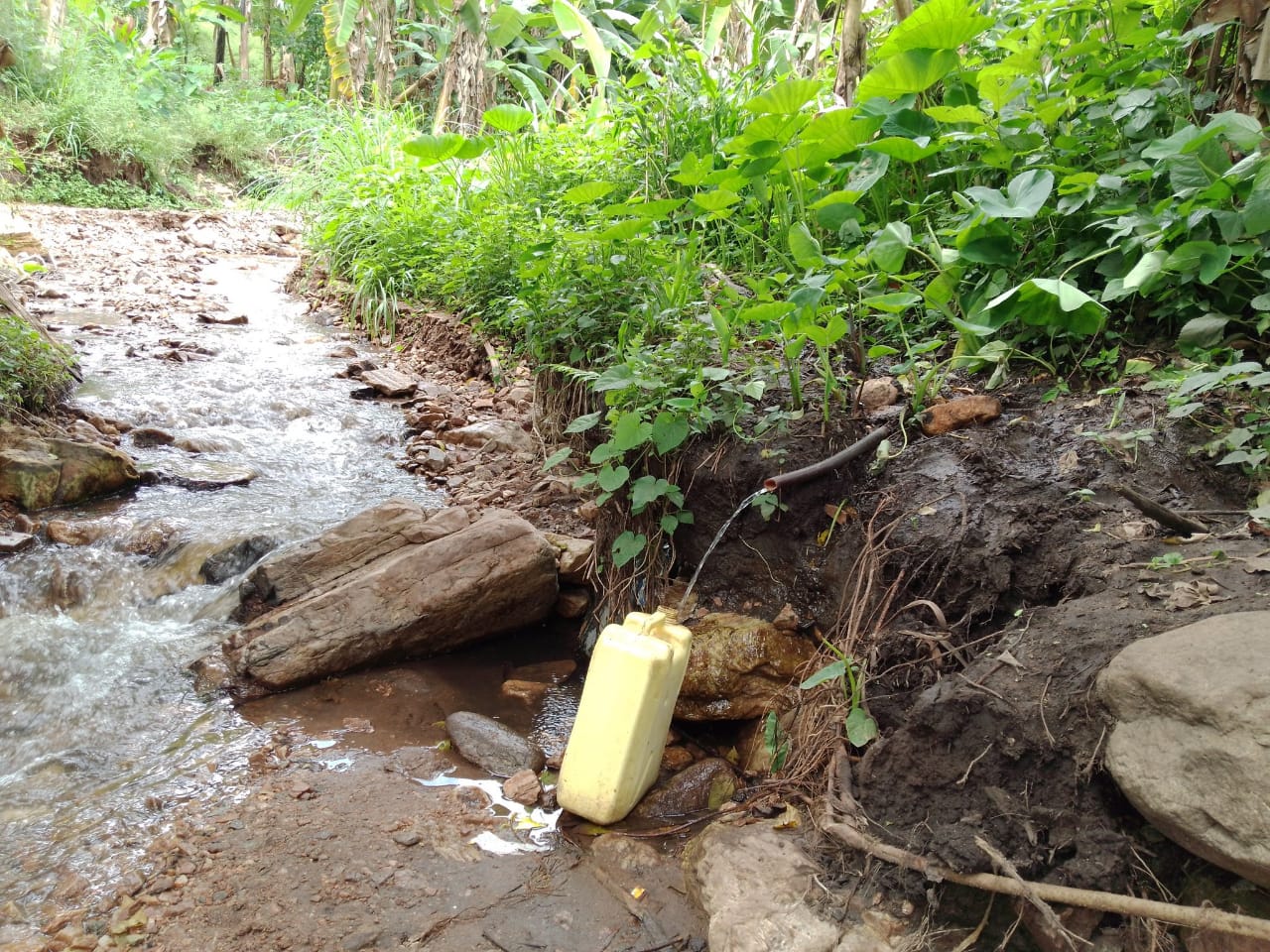
With a total current population of over 850,000 people, many rural and semi-urban communities in Kasese still depend on rivers, streams, springs, or seasonal water sources.
During the dry season, some of these sources, including public water taps, reduce significantly or dry up completely.
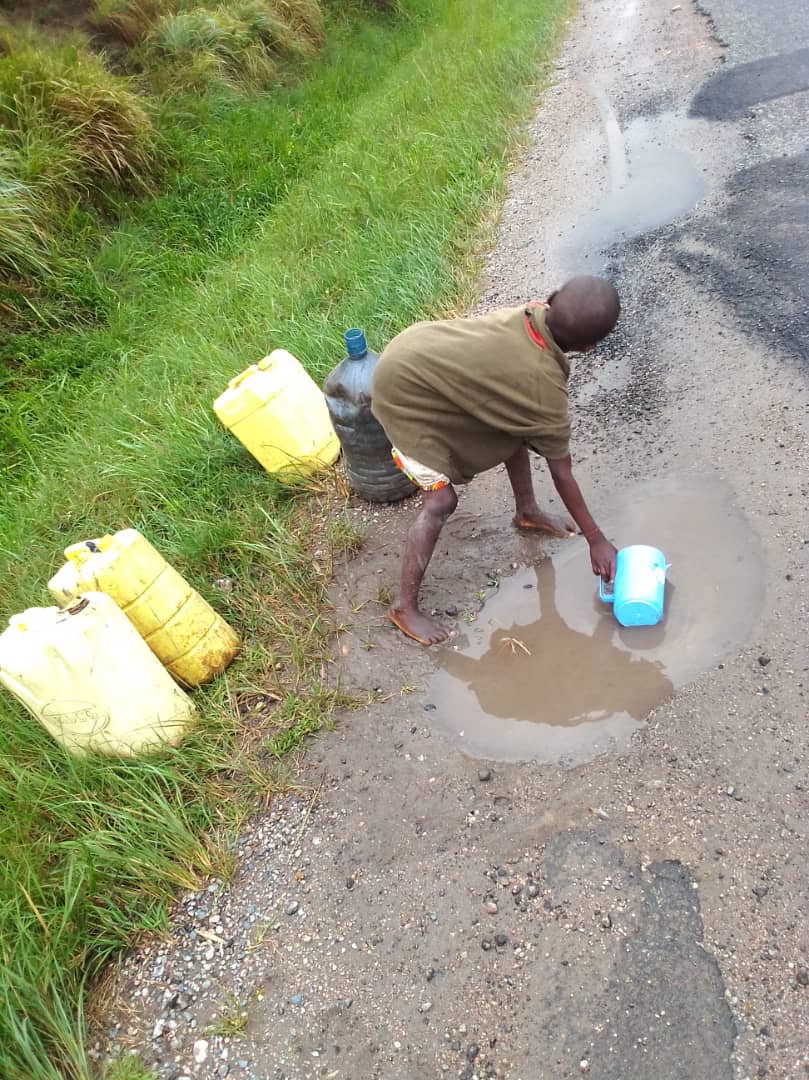
During the rainy season, many water sources become contaminated with mud, bacteria, and other pollutants because of flooding and surface runoff.
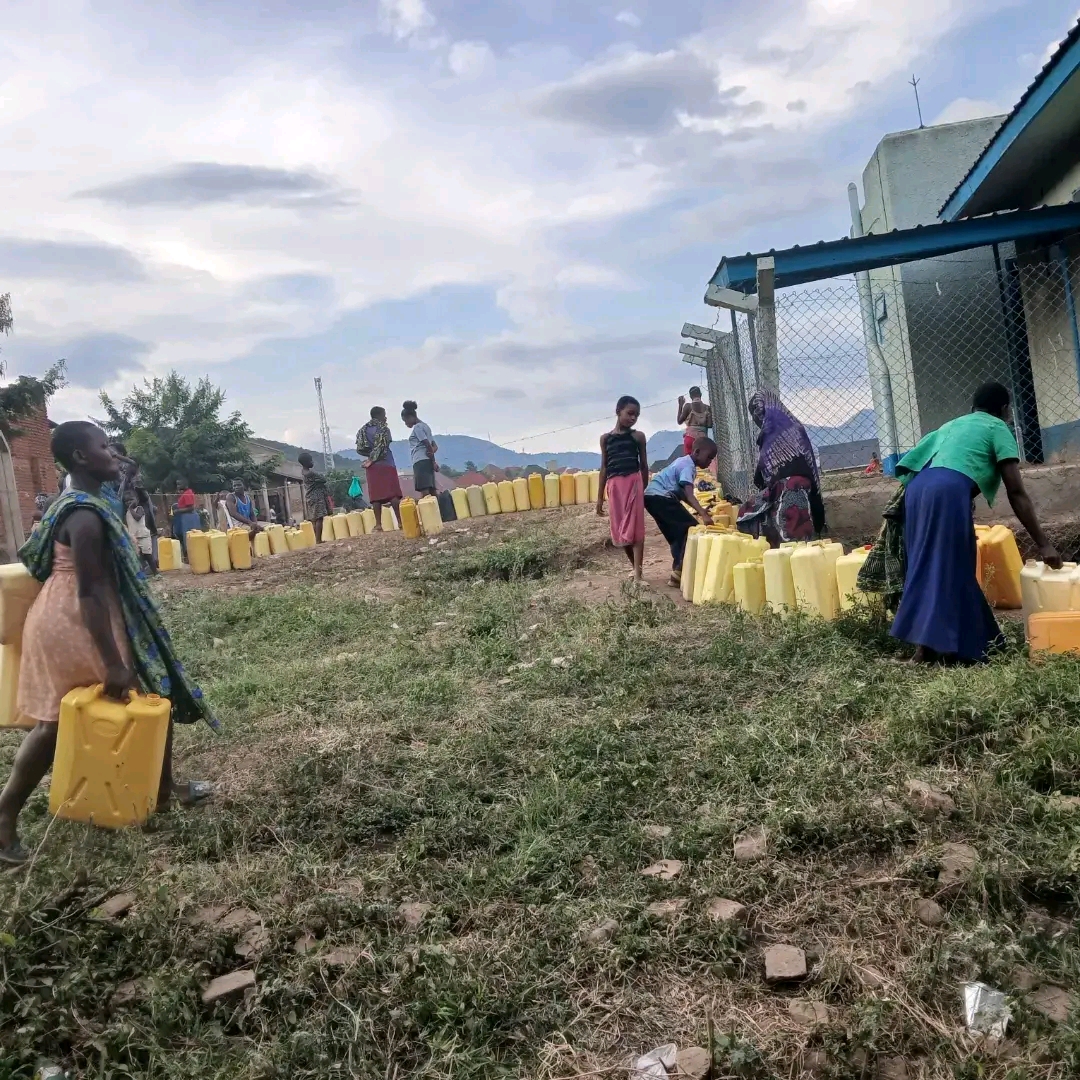
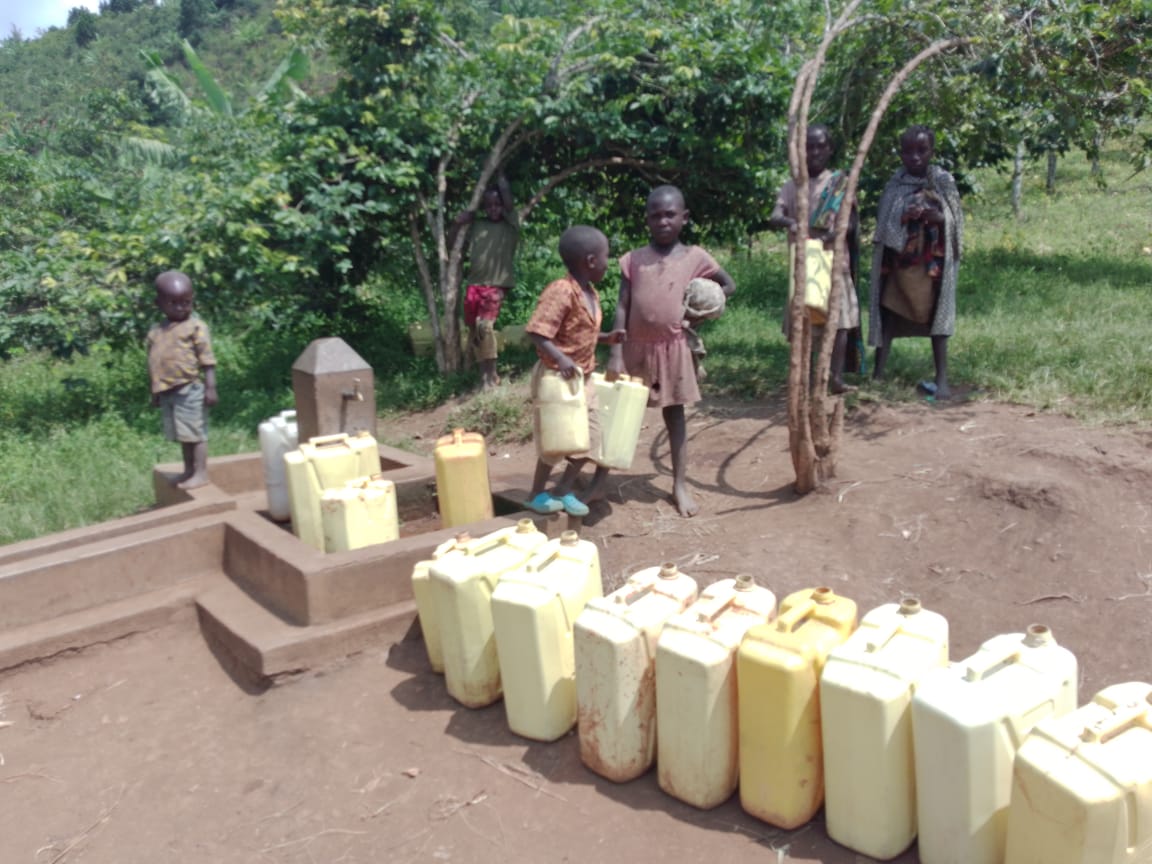
In many households, women and children walk between 1 and 3 kilometres each way to collect water. Depending on the season and terrain, one trip can take between 60 minutes and more than 3 hours.
A nearby source of safe and clean water greatly reduces these burdens while improving health and quality of life.
Q2. Who benefits from a new well?
A well benefits almost everyone in the surrounding community, including:
- Families and households.
- Children attending nearby schools.
- Teachers.
- Community health centres.
- Small businesses.
- Farmers for limited domestic use.
- Older persons and people living with disabilities.
Women and children usually experience the greatest positive impact because they traditionally carry much of the responsibility for collecting water.
Q3. Approximately how many people can one well serve?
This depends on the size of the community and the reliability of the water source.
In Uganda, particularly in Kasese District, one community borehole commonly serves between 300 and 1,000 people, and sometimes even more where alternative water sources are scarce.
Q4. How much does it usually cost to build a well?
Costs vary depending on geology, drilling depth, transport, casing materials, pump installation, water quality testing, and site accessibility.
For a standard community borehole in Kasese, Uganda, costs typically range between UGX 17.5 million and UGX 35 million, approximately USD 5,000–10,000.
Solar-powered systems or piped water schemes may require additional investment.
Q5. What is the process from the beginning to the end?
A typical well project normally includes:
- Listening to the community and identifying priority needs.
- Working with local leaders and district authorities.
- Conducting hydrogeological surveys.
- Mobilising funding and partnerships.
- Selecting the most suitable drilling location.
- Drilling and installing the water system.
- Testing water quality to ensure safety.
- Training community members on operation and maintenance.
- Official handover to the community.
Q6. How do you decide where to build a well?
Several factors are considered when selecting a location, including:
- Communities with limited access to safe water.
- Long walking distances to existing water sources.
- Population size and water availability.
- Existing water quality.
- Community demand.
- Geological suitability.
- Accessibility for construction equipment.
- Support from local leadership.
Community participation is always encouraged because local ownership is essential for long-term sustainability.
Q7. How deep are the wells on average?
There is no standard depth because it depends on local geology.
In many parts of Kasese, boreholes are typically drilled to depths of around 40 to 70 metres deep, although some may be shallower or considerably deeper depending on underground water conditions.
Q8. What methods or equipment are used?
Professional drilling companies use specialised borehole drilling rigs together with air compressors, drilling rods, mud pumps, and other equipment suited to local geological conditions.
Qualified hydrogeologists supervise the technical aspects to ensure the borehole reaches a productive aquifer.
Q9. Are they dug by hand or with drilling machines?
For permanent community boreholes, drilling machines are generally used because they can safely reach deeper groundwater.
Hand-dug wells may still exist in some communities, but they are usually shallower, more vulnerable to contamination, and less reliable during prolonged dry periods.
Q10. Once completed, how is the water collected and distributed?
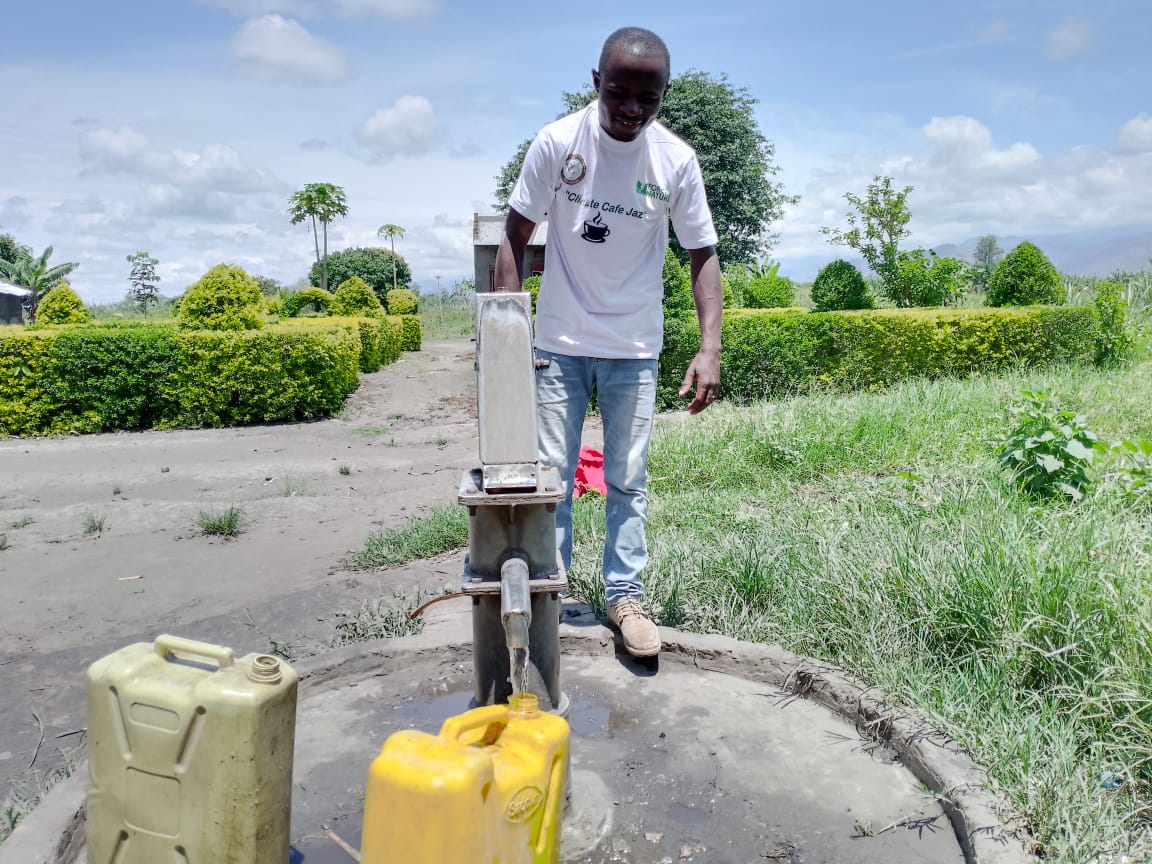
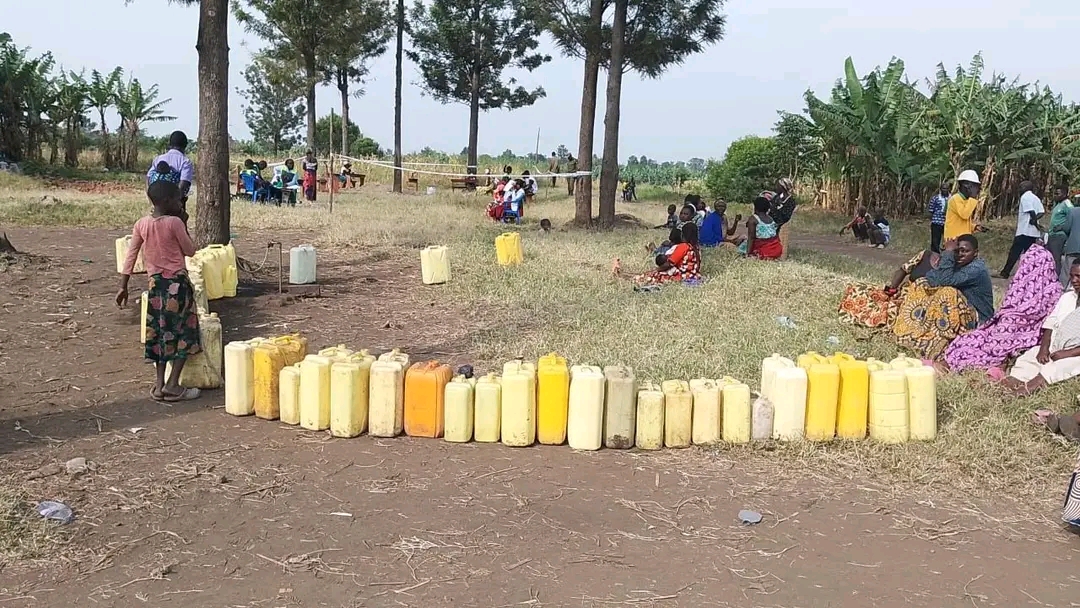
Most rural community boreholes in Uganda and Kasese use hand pumps, allowing residents to collect water in jerrycans or other containers.
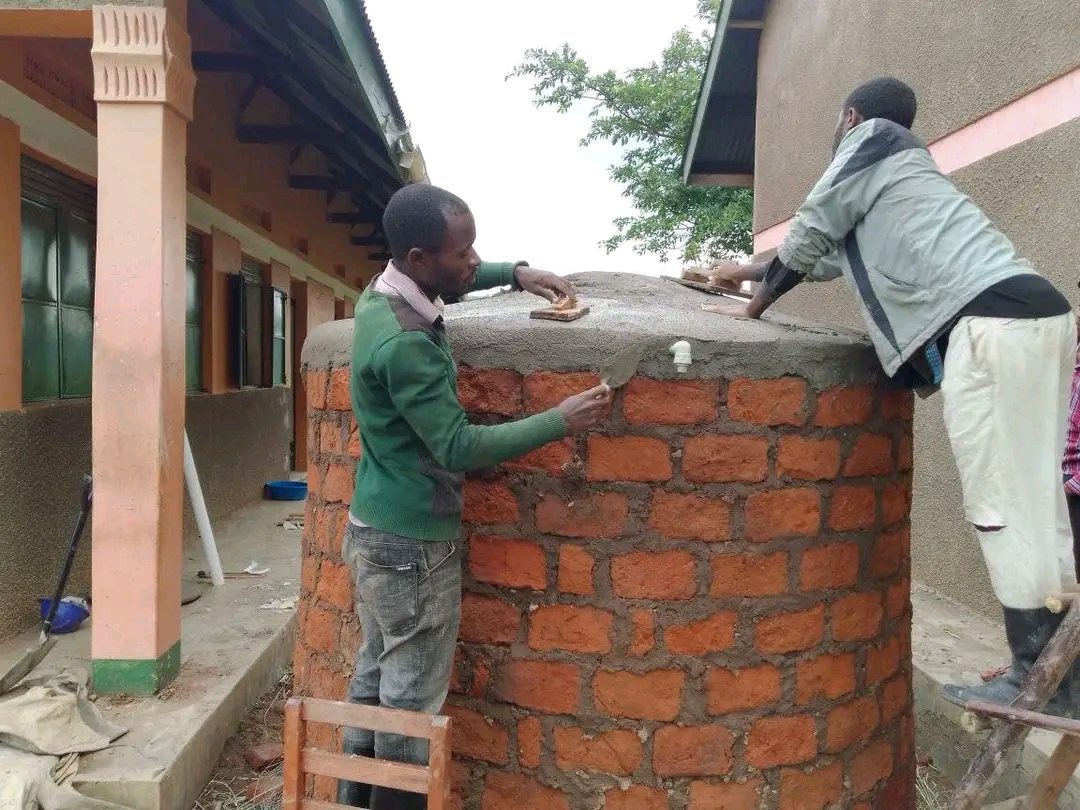
Where funding allows, some projects use solar-powered pumping systems connected to elevated storage tanks and public water collection points.
Q11. What are the biggest challenges during construction?
Some of the main challenges include:
- Limited financial resources.
- Difficult road access, especially during heavy rains.
- Hard rock formations that increase drilling time.
- Dry boreholes where groundwater is not found.
- Transporting heavy drilling equipment.
- Ensuring long-term maintenance after construction.
Q12. Where are wells usually built?
For Kasese District, community wells are commonly constructed in locations that maximise public access, including:
- Villages.
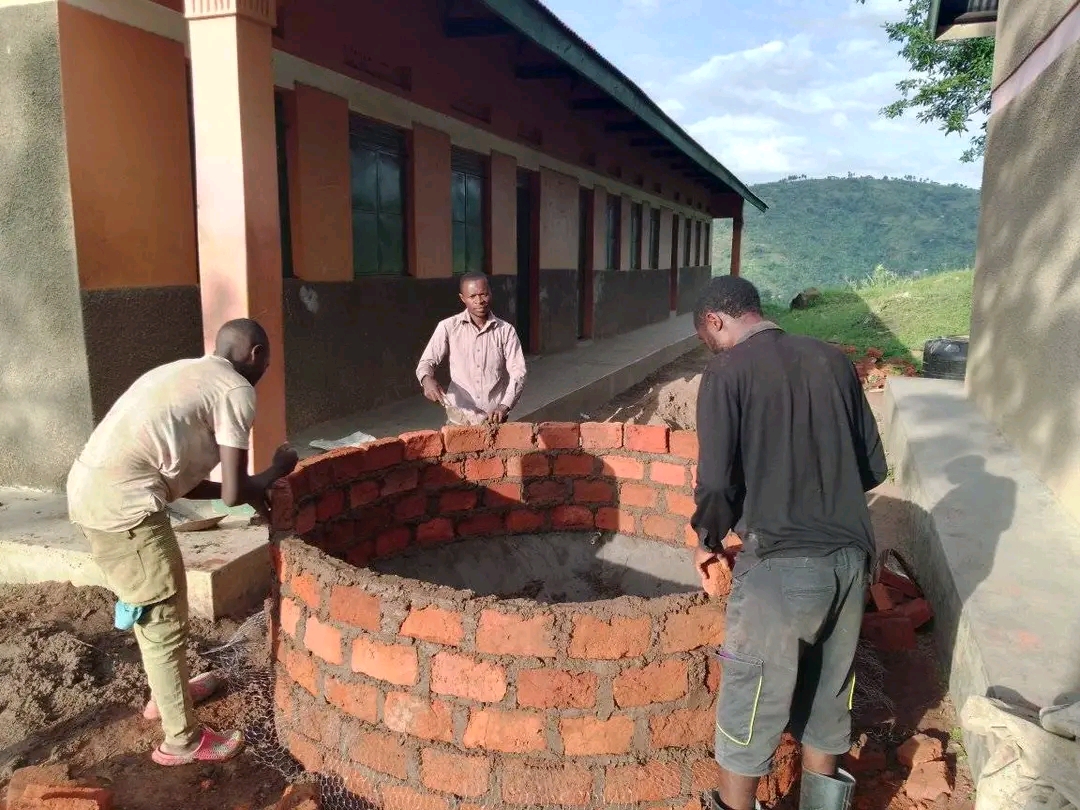
- Schools.
- Churches.
- Health centres.
- Community gathering areas.
The exact location depends on where the need is greatest and where technical assessments confirm a sustainable groundwater source.
Q13. How are wells maintained?
Sustainability is just as important as construction.
Local Water User Management Committees are often established and trained to oversee routine maintenance, promote responsible use, organise minor repairs, and report major technical issues.
Communities may also agree on small contributions to create a maintenance fund for future repairs.
As Maru Action Development Foundation, we believe community ownership is one of the most important factors in ensuring that a water source continues serving people for many years.
The Impact of Clean Water
For us, every well represents much more than water.
It means healthier children, reduced waterborne diseases, more girls staying in school, fewer long journeys to collect water, stronger livelihoods, reduced gender-based violence incidents especially affecting women and girls, and communities that are better prepared to face the impacts of climate change.
About Maru Action Development Foundation
Maru Action Development Foundation works to improve the lives of vulnerable communities in Kasese District, Uganda through clean water initiatives, education, health support, and sustainable development programs.
Through community participation and partnerships, the foundation focuses on creating solutions that improve dignity, opportunity, and quality of life.
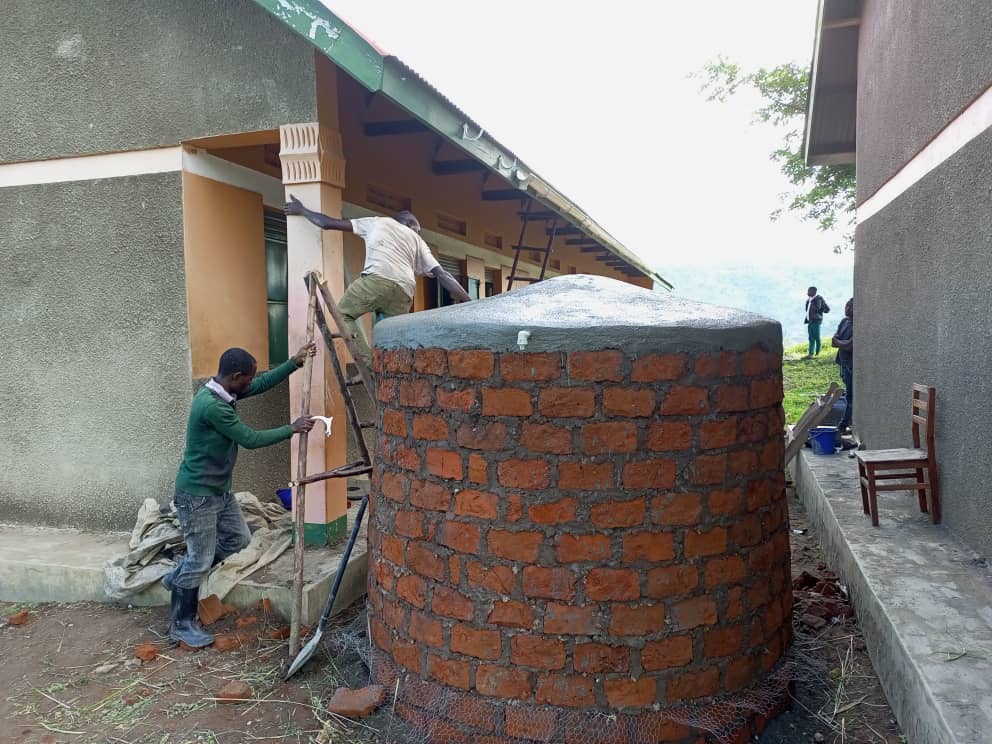
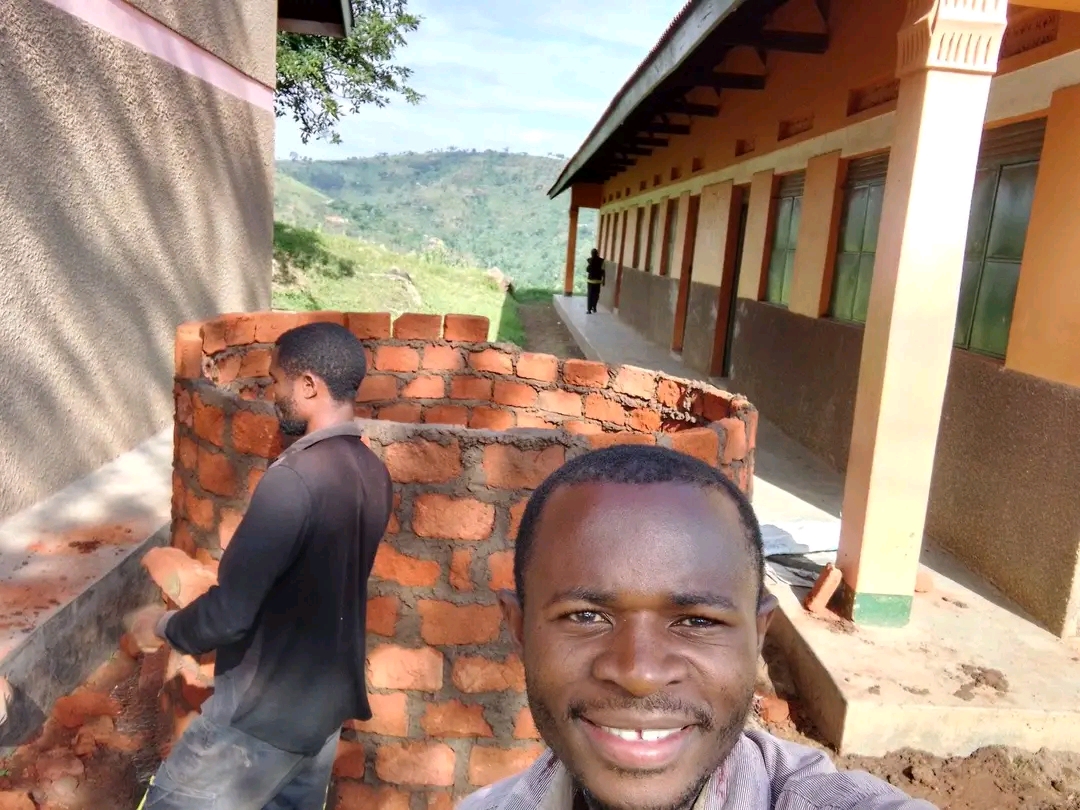
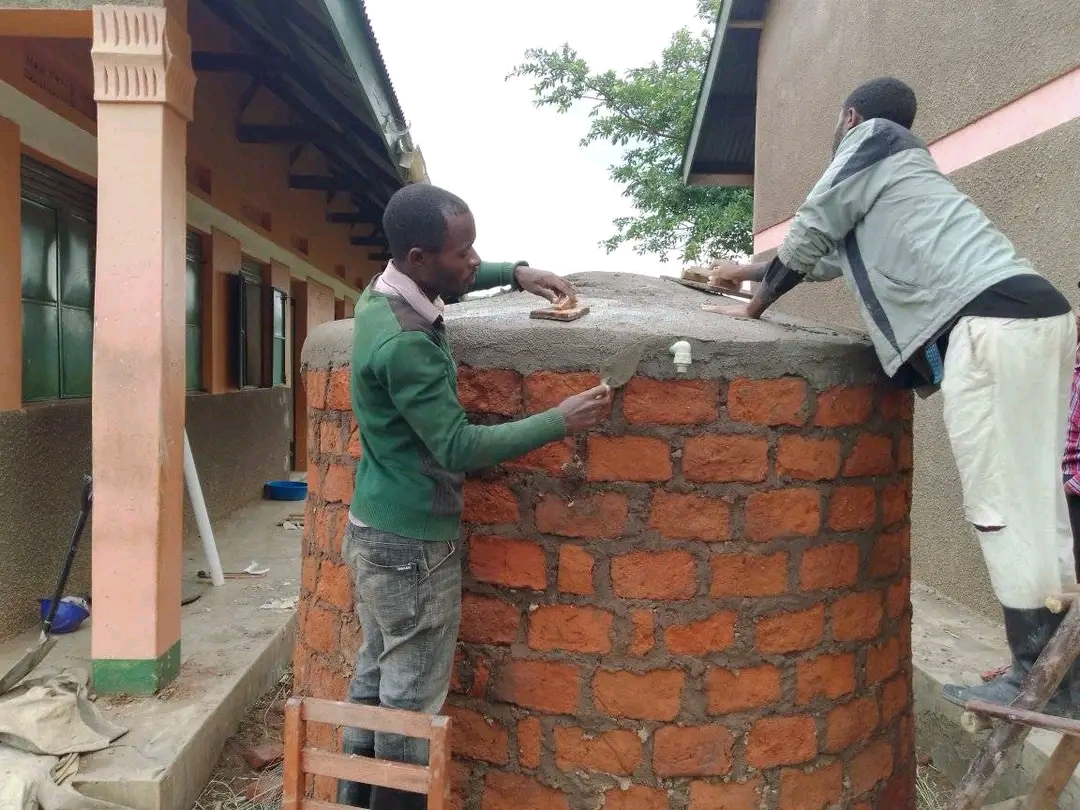
Gallery
Acknowledgement
Thank you to Fred and the Maru Action Development Foundation team for sharing your knowledge, experiences, and the story behind this important community water project.
Your work continues to bring hope, dignity, and better opportunities to communities in Kasese, Uganda.